Normal Aging or Something Worse? 4 Warning Signs Your Memory Lapses Aren't Just "Stress"

We've all been there: You walk confidently into a room, only to stop dead in your tracks, wondering, "What did I come in here for?" Or you run into an old acquaintance at the grocery store, and their name completely vanishes from your mind.
For most adults over 50, these moments trigger a silent, terrifying whisper in the back of the mind: "Is this how it starts? Is this dementia?"
The anxiety surrounding cognitive decline is overwhelming. But before you panic, medical science has some reassuring news. The vast majority of everyday memory slips are completely normal and are caused by stress, lack of sleep, or harmless age-related changes in brain processing speed.
However, there is a clear line between a tired brain and a brain that is in trouble. Here are the 4 critical warning signs that help you tell the difference between normal aging and something that requires immediate attention.
 Occasional forgetfulness is normal, but structural confusion is a red flag.
1. You Forget "How" to Do Things, Not Just "When"
Normal Aging: You occasionally forget to record your favorite TV show or you miss an appointment because you forgot to write it on the calendar.
The Warning Sign: You sit down in front of the TV and suddenly cannot figure out how to use the remote control you've owned for five years. Or you get frustrated trying to follow a simple, familiar recipe that you've cooked dozens of times.
When the brain forgets the mechanical steps of familiar, everyday tasks, it indicates that the neural pathways connecting memory and physical execution are being disrupted.
2. Getting Lost in Familiar Places
Normal Aging: You forget exactly where you parked your car at the mall and have to wander around the parking lot for five minutes.
The Warning Sign: You are driving home from your local grocery store on a route you've taken hundreds of times, and suddenly the streets look unfamiliar. You feel disoriented and don't know which way to turn to get home.
Spatial awareness is deeply tied to the hippocampus. Temporary spatial confusion in highly familiar environments is one of the most prominent early signs of serious cognitive decline.
🧠 Are Your Neurons Starving for Oxygen?
If your memory lapses are starting to frustrate you, the problem might not be a disease, but rather poor cerebral blood flow. We recently reviewed a powerful botanical formula designed to open up microcirculation and feed starved brain cells.
Read our clinical review of MemoHoney →3. Losing Track of the Passage of Time
Normal Aging: Waking up on a Wednesday morning and momentarily thinking it's Tuesday, but quickly realizing your mistake when you check your phone.
The Warning Sign: Completely losing track of dates, seasons, and the passage of time. You might prepare for a winter holiday in the middle of July, or forget what year it is entirely.
Our brains anchor us to reality using chronological markers. When those markers degrade, it points to a deeper issue with how the brain processes and stores reality-based information.
4. Severe Vocabulary Struggles (Aphasia)
Normal Aging: Having a word on the "tip of your tongue" and remembering it 10 minutes later.
The Warning Sign: Stopping abruptly in the middle of a sentence because the word is completely gone, and you cannot find a substitute. Or consistently calling familiar objects by the wrong name (e.g., calling a "watch" a "hand-clock").
The Good News: It's Often NOT Dementia
If you read the warning signs above and realized you only experience the "Normal Aging" symptoms, take a deep breath. Your brain is likely perfectly healthy.
So, why do you still experience that frustrating "brain fog"? In many cases, it's a structural issue with Microcirculation. As we age, the tiny blood vessels that feed the brain stiffen. Furthermore, our natural production of Acetylcholine (the learning neurotransmitter) drops off a cliff.
Your brain isn't dying; it's simply starved of oxygen and vital nutrients due to the natural wear-and-tear of aging.
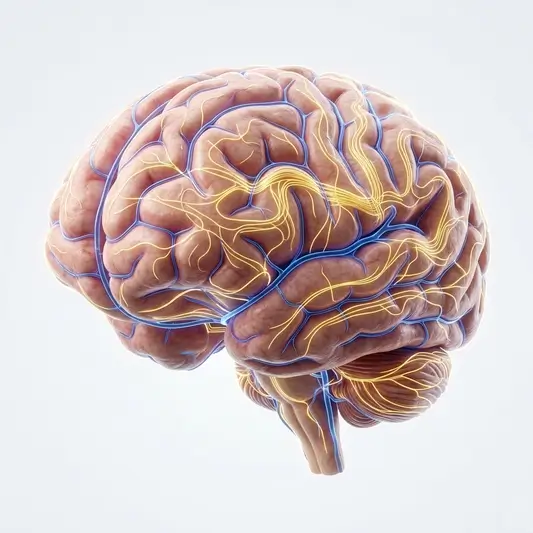 Improving cerebral microcirculation can rapidly clear daily brain fog.
Frequently Asked Questions
Is it normal to forget names and words after 50?
Yes, occasionally forgetting a name or experiencing "tip-of-the-tongue" moments is a normal part of aging, often caused by fatigue, stress, or minor changes in cerebral blood flow.
What is the difference between brain fog and dementia?
Brain fog is a temporary state of mental confusion, poor focus, and fatigue, often reversible with diet, hydration, and targeted nutritional support. Dementia is a progressive disease that involves physical brain damage and severely affects daily independence.
Can poor blood circulation cause memory loss?
Absolutely. The brain consumes 20% of the body's oxygen. If microcirculation to the brain is compromised due to stress, aging, or plaque buildup, neurons struggle to fire correctly, leading to severe brain fog and poor memory recall.
Ready to Clear the Mental Fog?
If your memory lapses are normal but frustrating, you don't have to just "live with it." Modern botanical science has found ways to naturally support acetylcholine levels and improve blood flow to tired neurons.
Discover the breakthrough formulation that over 45,000 adults are using to regain their sharp, quick-witted focus in our latest investigative review.
Read The MemoHoney Clinical Review